The Science of Wellness: 4 Benefits of Naturally Made Hydrogen Water
This post explores the health-optimizing properties of naturally made hydrogen water. Unlike standard tap water, hydrogen-rich water is infused with molecular hydrogen ($H_2$) via natural mineral reactions. The article highlights its role as a selective antioxidant that targets harmful free radicals, its ability to reduce muscle fatigue for athletes, and its potential for improving metabolic and cognitive health. By mimicking the "healing waters" of natural springs through a magnesium-based reaction, this water provides a portable and holistic approach to cellular hydration. " "The post The Science of Wellness: 4 Benefits of Naturally Made Hydrogen Water first appeared on Blue Jug.
Why Use an Ozone Rinser for Water Bottles? Benefits & Efficiency
Move beyond chlorine and harsh acids. This article explains how ozone generators create a high-level disinfectant from thin air, ensuring your water bottles are sterile, odorless, and eco-friendly without leaving any toxic byproducts behind. " "The post Why Use an Ozone Rinser for Water Bottles? Benefits & Efficiency first appeared on Blue Jug.
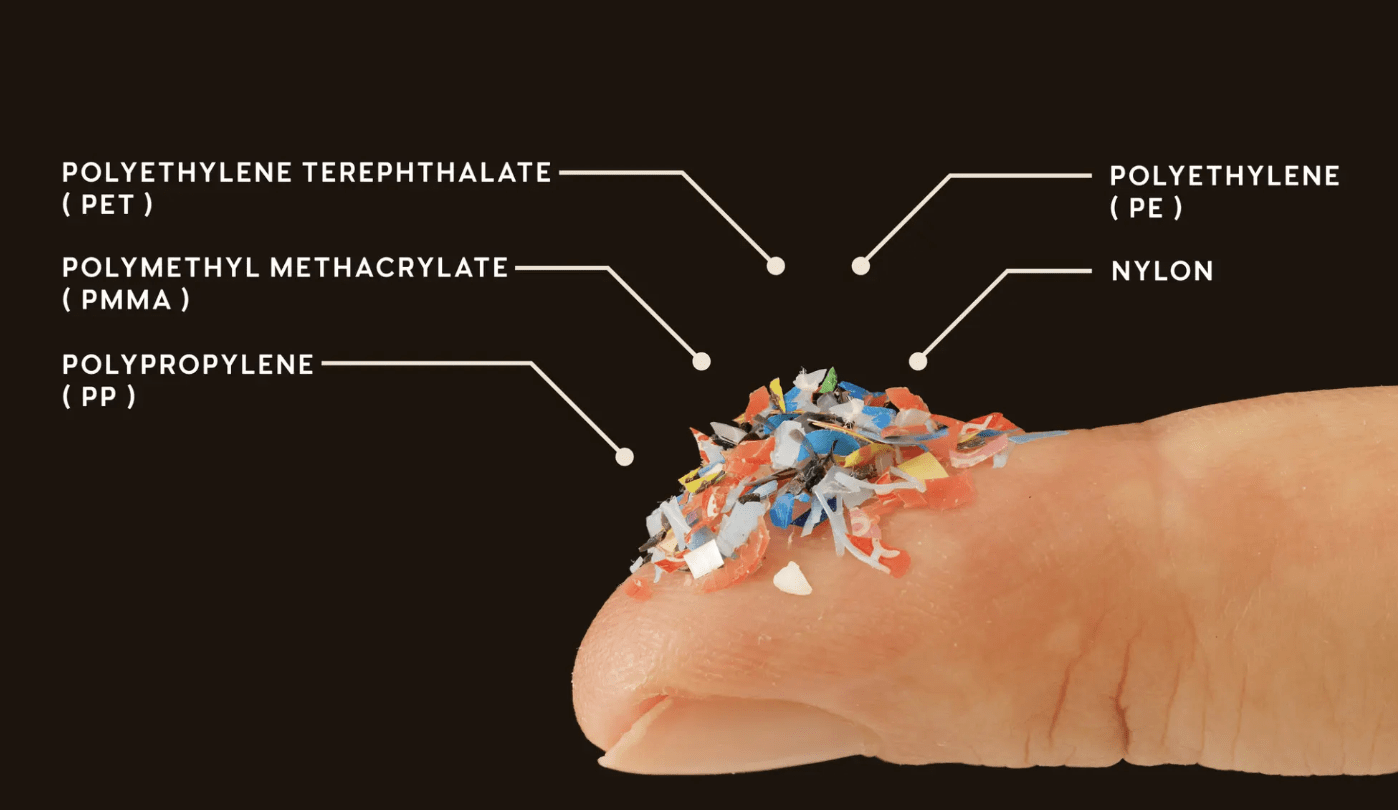
Making a single change can cut your microplastics intake from 90,000 to 4,000 particles per year
It may be time to find America’s next top bottle. " "Microplastics are everywhere — in the beauty products we wear, the cleaning supplies we use and even in the food we eat. Research suggests that these particles, smaller than a grain of rice, can harm reproductive, digestive and respiratory health, potentially leading to colon and lung cancer. " "In a new scientific paper, three physicians report that switching from bottled water to filtered tap water could cut your microplastic intake by about 90% — from 90,000 to 4,000 particles each year. " "The post Making a single change can cut your microplastics intake from 90,000 to 4,000 particles per year first appeared on Blue Jug.
Water chlorination levels in US and EU likely increase cancer risk, study finds
Bladder cancer risk increased 33% and colorectal cancer by 15% in using chlorine to disinfect water. Chlorinating drinking water at levels common in the United States and European Union probably increases the risk of several cancers, a new analysis of recent research from across the globe finds. " "The post Water chlorination levels in US and EU likely increase cancer risk, study finds first appeared on Blue Jug.
Nearly 100 million Americans exposed to contaminated drinking water
A new study from the Silent Spring Institute reveals a troubling reality: almost one-third of Americans have been exposed to unregulated contaminants in their drinking water. These harmful chemicals, not covered by current federal safety rules, could affect people’s health. The study also shows that Hispanic and Black communities are more likely to face unsafe levels of these pollutants, often living closer to sources of pollution. Extent of contaminated water… Read more here. " "The post Nearly 100 million Americans exposed to contaminated drinking water first appeared on Blue Jug.
What Is In Blue Jug Water That Make’s It So Special?
What is in Blue Jug water that makes it so special? Other waters can’t compare. Water the way it’s meant to be. CaSO3 – Calcium Sulfite (“De-Chlorine”) Tridymite – Tourmaline (“Piezoelectric”) Zircon – Ion (“Energy”) MgO + Catalyst – Increase H2, Increase pH, decrease ORP Quartz – Taste (“Fir Energy”) Calcite – Minerals (Ca, Mg) Hematite – Anion Energy Zeolite, Silver – Antibacterial 1. CaSO3 – Calcium Sulfite (“De-Chlorine”) Calcium Sulfite is used in water treatment processes to remove impurities. 2. Tridymite – Tourmaline (“Piezoelectric”) Used in filtration systems to remove suspended particles, sediment, and impurities from water. It is a naturally occurring mineral and acts act as filter media, trapping particles as water passes through. Tourmaline: release of ions, creates negatively charged ions, improving water quality. 3. Zircon – Ion (“Energy”) Is a MINERAL that is commonly found in igneous rocks. Minerals like zircon can influence the properties of water through piezoelectric aka “energy”. 4. MgO + Catalyst – Increase H2, Increase pH, decrease ORP Magnesium Oxide and a catalyst in water can lead to various changes in the water’s properties: Increase in Hydrogen (H2) Production, Increase in pH, Decrease in Oxidation-Reduction Potential (ORP). 5. Quartz – Taste (“Fir Energy”) In alternative or holistic health, its a common MINERAL that can influence the taste and energy of water. 6. Calcite – Minerals (Ca, Mg) Calcite is a MINERAL primarily composed of Calcium Carbonate and Magnesium. Calcite plays a role in water purification, particularly in the process of adjusting the water’s pH and hardness. 7. Hematite – Anion Energy Hematite, a form of Iron Oxide, utilized in water treatment for its ability to remove certain contaminants through a process called adsorption or oxidation. Hematite has been studied for its ability to adsorb Arsenic from water. Hematite can act as a catalyst in advanced oxidation processes. 8. Zeolite, Silver – Antibacterial Zeolites are MINERALS and Both Zeolite and Silver are known for their broad spectrum antimicrobial properties. " "The post What Is In Blue Jug Water That Make’s It So Special? first appeared on Blue Jug.
What’s Really in Central Texas Water? 25 News KXXV
WACO, Texas (KXXV) — Brown and discolored water appears to be a tale as old as time here in Central Texas from Marlin, Temple to Kempner but what is your seemingly clear tap water actually hiding? " "It’s more than meets the eye — 25 News' Bobby Poitevint went to a local Waco testing facility to see what's inside. " "The post What’s Really in Central Texas Water? 25 News KXXV first appeared on Blue Jug.
Tap water is generally safe to drink. But contamination can occur.
The World Health Organization notes that only about 73% of the world's population have access to drinking water that is both " "The post Tap water is generally safe to drink. But contamination can occur. first appeared on Blue Jug.
By James Bickerton, published May 26, 2024https://www.newsweek.com/drinking-water-how-safe-america-cyber-attacks-china-russia-iran-1904450 Environmental Protection Agency’s stark warning this week warned the threat to the United States’ supply of drinking water is increasing, with infrastructure targeted by hackers linked to the Chinese, Iranian and Russian governments. Is our water safe? The May 20 alert said that more than 70 percent of the water systems inspected by the EPA failed to meet basic security requirements set out in the Safe Drinking Water Act, with inspectors finding “alarming cybersecurity vulnerabilities at drinking water systems across the country.” Read more… " "The post How Safe Is America’s Drinking Water Supply? first appeared on Blue Jug.
People Are Tossing Their Seltzer After This Disturbing Study
https://www.thekitchn.com/seltzer-water-forever-chemicals-study-23656399 By Kiersten Hickman, Published April 30, 2024 We see it time and time again. A new study is released about the food we regularly consume or the items we use — like pesticide residue on produce or microplastic particles in our cutting boards — and consumers freak out. Should they stop eating strawberries? Replace their cutting boards? Now, sparkling water has come into question after a study that found the bubbly favorite contains “forever chemicals” has resurfaced. Back in 2020, Consumer Reports conducted a study to test the PFAS levels in 47 different bottles of water, 12 of which were carbonated samples. Many of those carbonated samples, including Poland Spring and Topo Chico, had traces of PFAS in them, ranging from 1 part per trillion (ppt) to around 10 ppt. Known as “forever chemicals” because they are nearly indestructible, PFAS — short for per- and poly-fluoroalkyl substances — are able to withstand water, oil, grease, and heat. They’re typically used in food packaging, but can also be found in cooking appliances and electronics (even our water-resistant rain gear). Traces can be found in the water we drink, given the ways these chemicals seep into our natural resources through landfills, sewer dumps, and more. So yes, these chemicals can be found in our sparkling water, but they’re also found in a variety of other items we use on the daily. The concern with PFAS that’s causing frantic debate and reactions from consumers has to do with the potential outcome these chemicals can have on our long-term health. Some peer-reviewed research has linked PFAS with increased risk of cancers, developmental effects on children, reproductive issues such as fertility, and interference on the body’s immune system, hormones, and cholesterol levels. Because of this, the Biden-Harris Administration recently announced a national drinking water standard to cap the maximum contaminant levels to 4 ppt. Should Consumers Be Worried About Seltzer? Although there are some studies that have linked PFAS to increased risk of chronic diseases and interference with the body’s immune system and hormones, the truth is that research is still ongoing and there’s not enough evidence to make concrete claims — especially when it comes to low-level exposure of PFAS, such as drinking sparkling water. In reality, PFAS are present in almost everything we touch or consume. According to the United States Environmental Protection Agency (EPA), PFAS can be present in our water, soil, air, and, yes, our food. Some of the most common materials containing traces of PFAS include drinking water, food packaging, fire extinguishing foam, household cleaning products, stain-resistant clothing, hygienic products (like shampoo and dental floss), non-stick cookware, and any food that has been exposed to water or livestock contaminated by PFAS, like fish or dairy products. Sometimes even the air we breathe can contain PFAS. This particular study by Consumer Reports refers to the guidelines of The Environmental Working Group, which consider consuming more than 1 ppt of PFAS to be dangerous, while the USDA’s limit is 70 ppt. According to the USDA, at 70 ppt or lower “no adverse health effects are anticipated to occur.” These particular guidelines can vary from state to state. But if you want to focus on drinking sparkling waters with lower levels of PFAs, you can find the list of carbonated brands with PFAs under 1 ppt in the original Consumer Reports study. " "The post People Are Tossing Their Seltzer After This Disturbing Study first appeared on Blue Jug.
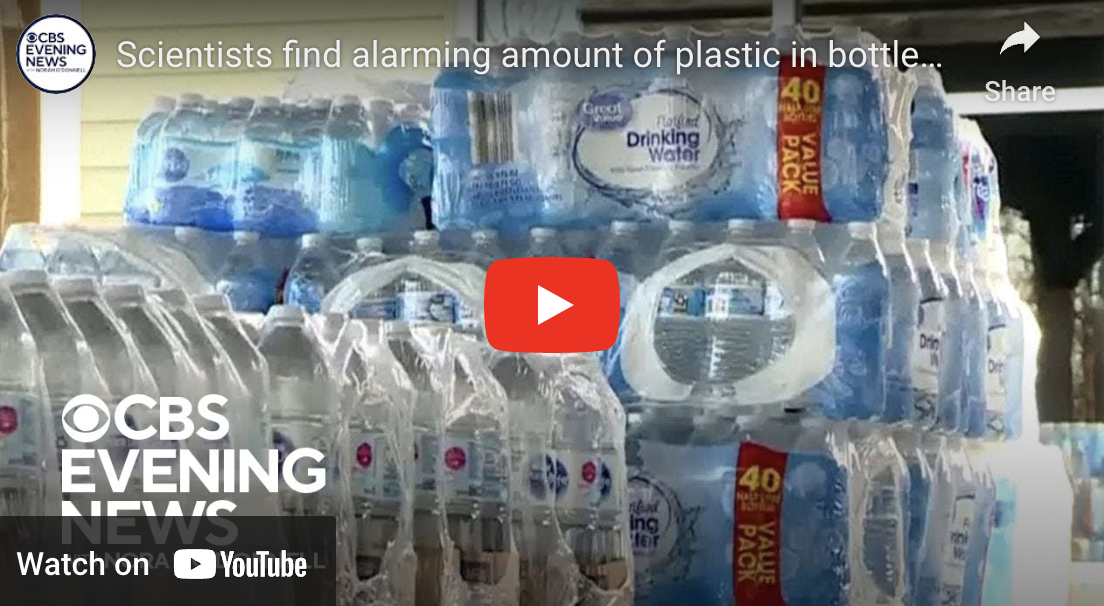
Scientists Find Alarming Amount of Plastic in Bottled Water
Scientist find an alarming amount of plastic in bottled water. Watch the new video… " "The post Scientists Find Alarming Amount of Plastic in Bottled Water first appeared on Blue Jug.
Stay in the loop with our community newsletter! We’ll share local updates and exclusive offers, but don’t worry, we won’t overwhelm your inbox. It’s a “when we get around to it” kinda thing.
Thank you! Your submission has been received!
Oops! Something went wrong while submitting the form.